Age Groups
Care by age
At Virtual Child Health we support your children at every stage of their growth
Children’s needs change quickly as they grow. Virtual Child Health organises care, education and coaching by age group, so guidance is always tailored to your child’s stage of development.
We care for:
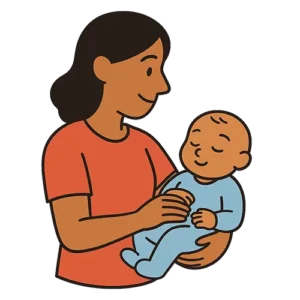
Newborns
Birth to 3 months
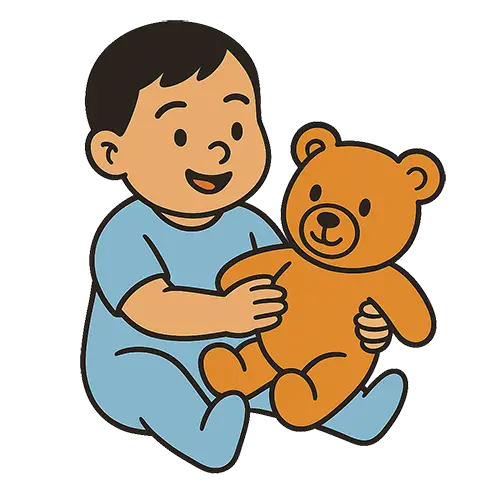
Infants / Babies
4 months to 1 year
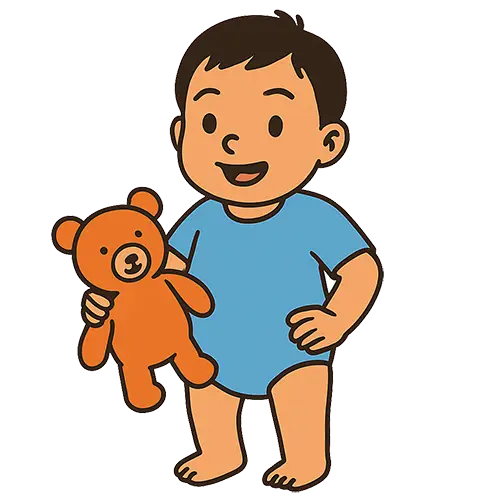
Toddlers / Preschoolers
1 to 3 years

School-aged
4 to 10 years

Pre-teen & Adolescents
11 to 16 years
Newborns
Birth to 3 months
The newborn period is exciting but can also feel overwhelming. Virtual Child Health provides early support and reassurance for you and your baby.
Everyday concerns we can help with online
-
Umbilical cord concerns (bleeding, discharge, how it is healing)
-
Skin rashes and skin changes
-
Eczema starting early in life
-
Cradle cap
-
Nappy / diaper rash
-
Thrush (in the mouth or nappy area)
-
Feeding questions and worries (breast or bottle)
-
Vomiting or frequent posseting
-
Diarrhoea
-
Constipation
-
Fever in the first 1–2 days of illness
-
Nasal congestion, runny nose and coughs
-
Pink eye / eye discharge
-
Scrapes and minor cuts
Wellbeing & development support
-
Settling your baby and understanding crying
-
Sleep patterns in the early weeks
-
Feeding confidence and responsive feeding
-
How to know when to seek urgent in-person care
-
Looking after your own wellbeing in the “fourth trimester”
Again, if we suspect conditions such as malaria or UTIs, we can guide you on arranging appropriate tests and what happens next.
Infants / babies
4 months to 1 year
As your baby becomes more alert and active, new questions and challenges often appear.
Everyday concerns we can help with online
-
Viral colds and coughs
-
Fever in the first 1–2 days of illness
-
Asthma or wheeze beginning in later infancy
-
Allergies, including food reactions and eczema flares
-
Ongoing skin rashes and skin concerns
-
Nappy / diaper rash
-
Thrush
-
Teething discomfort and related symptoms
-
Diarrhoea and vomiting
-
Constipation
-
Feeding concerns (breast, bottle and starting solids)
-
Pink eye / eye discharge
-
Nasal congestion and runny nose
-
Minor injuries, scrapes and cuts
Wellbeing & development support
-
Introducing solid foods and preventing fussy eating
-
Healthy sleep routines and night waking
-
Monitoring growth and development
-
Keeping your baby safe at home (injury prevention)
-
Immunisation questions and general health checks
Again, if we suspect conditions such as malaria or UTIs, we can guide you on arranging appropriate tests and what happens next.
Toddlers / preschoolers
1 to 3 years
Toddlers explore the world with energy and curiosity. This brings lots of minor illnesses, bumps and behavioural questions.
Everyday concerns we can help with online
-
Frequent viral colds and coughs
-
Fever in the first 1–2 days of illness
-
Asthma, wheeze and allergy-related symptoms
-
Ongoing eczema or other skin rashes
-
Nappy / diaper rash and other skin irritations
-
Thrush and athlete’s foot
-
Diarrhoea and vomiting (“tummy bugs”)
-
Constipation and painful stools
-
Mouth sores
-
Pink eye / eye discharge
-
Nasal congestion and runny nose
-
Scrapes, cuts and other minor injuries
-
Circumcision concerns
Wellbeing & development support
-
-
Sleep difficulties and bedtime battles
-
Tantrums, behaviour and emotional regulation
-
Toilet training support (constipation, accidents, worries)
-
Speech, language and early development milestones
-
Nutrition and healthy habits for active toddlers
-
Preparing for nursery or preschool
-
Where appropriate, we may arrange tests such as blood tests or urine tests for conditions like malaria or UTIs.
School-aged children
4 to 10 years
School-aged children face new social, academic and physical challenges. We support both everyday illnesses and longer term health needs.
Everyday concerns we can help with online
-
-
Viral colds, coughs and fevers
-
Asthma and allergy management
-
Eczema and other skin problems
-
Athlete’s foot and other minor infections
-
Diarrhoea, vomiting and tummy pain
-
Constipation and bowel habit concerns
-
Mouth sores and minor dental-related issues
-
Pink eye / eye discharge
-
Nasal congestion and runny nose
-
Scrapes, cuts and minor injuries
-
Circumcision concerns
-
Wellbeing & development support
-
-
Sleep routines and screen time boundaries
-
Growth, weight and nutrition
-
School attendance, fatigue and frequent illness
-
Behaviour, attention and learning concerns (initial guidance)
-
Friendships, bullying and school worries
-
Building healthy habits around exercise and self-care
-
We may recommend tests such as blood tests or urine tests when we are concerned about malaria, UTIs or other conditions that need investigation.
Pre-teens & adolescents
11 to 16 years
Adolescence is a time of rapid physical, emotional and social change. Virtual Child Health offers a safe, respectful space for young people and their parents to seek advice.
Everyday concerns we can help with online
-
Ongoing asthma, allergies and eczema
-
Skin problems including acne and other rashes
-
Viral illnesses, fevers, colds and coughs
-
Tummy pains, diarrhoea, constipation and bowel concerns
-
Athlete’s foot and minor infections
-
Mouth sores
-
Pink eye / eye discharge
-
Nasal congestion and runny nose
-
Scrapes, cuts and minor injuries
Wellbeing & development support
-
-
-
Sleep, lifestyle and nutrition in the teenage years
-
Managing long term conditions alongside school and activities
-
Mood, stress and early mental health concerns (initial assessment and signposting)
-
Body image and self-esteem
-
Peer pressure, friendships and school stress
-
Supporting independence while keeping young people safe
-
-
We can also guide families on when blood tests, urine tests or other investigations are needed, including for malaria or UTIs, and how to arrange them.